Chimney Repairs | Chimney Relining
Call: +353 872805825

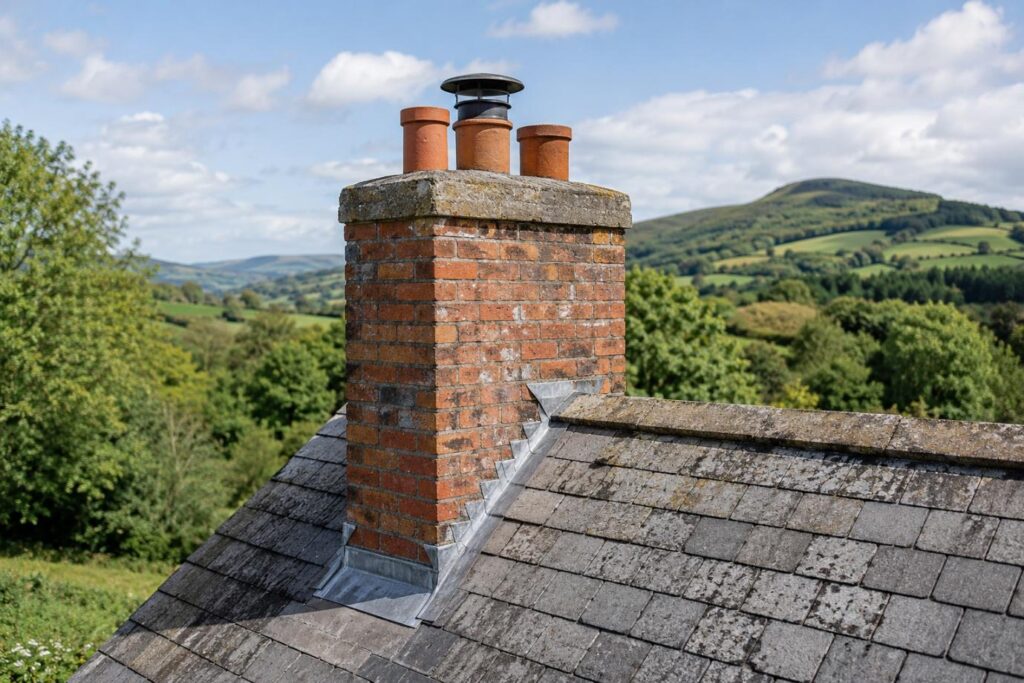
If there’s one thing we’ve learned after years of working on chimneys across Ireland, it’s that the same problems often appear in very different homes.
We’ve seen them in Victorian terraces, rural cottages, seaside houses exposed to Atlantic weather and modern homes with recently installed stoves. Sometimes the chimney looks perfectly sound from the ground, only for an inspection to reveal years of gradual wear hidden inside the flue. Other times it’s the small signs inside the house—a faint damp mark on a chimney breast, a smoky smell upstairs after heavy rain or a little staining around a fireplace—that tell us where to start looking.
Most chimney problems don’t arrive overnight. They tend to develop slowly through years of wet winters, regular fires and the natural ageing of brickwork, mortar and flue systems.
These are the issues we come across most often during chimney inspections in Ireland.
Why Do Irish Chimneys Wear Differently?
Irish chimneys have to cope with conditions that aren’t especially kind to them.
A long, damp winter followed by months of driving rain gradually affects even well-built chimney stacks. Roofs on exposed sites, particularly along the coast or in higher rural areas, take the brunt of Atlantic weather, while older brickwork absorbs moisture year after year.
Many houses have also changed the way they’re heated. Open fires have been replaced with wood-burning or multi-fuel stoves, often using chimneys that were built decades before modern appliances existed. Most adapt perfectly well, but older flues don’t always match the demands placed on them today.
Over time, it’s common to see weathered mortar joints, cracked render, ageing chimney pots and flashing that’s beginning to lift around the base of the stack. None of these changes necessarily happen quickly, but together they can start creating problems that only become obvious much later.
Why Is Water Ingress the Most Common Chimney Problem We Find?
If we had to name one issue that appears more than any other during a chimney inspection in Ireland, it would almost certainly be water.
Rain has plenty of ways to find its way into an ageing chimney. Flashing can begin to lift where it meets the roof. Mortar slowly wears away. Chimney crowns develop small cracks. Older brickwork becomes porous after decades of exposure, while damaged pots or missing cowls allow rain to enter from above.
Inside the house, the first signs are often quite subtle.
You might notice a damp patch appearing on the chimney breast after prolonged rain. Paint begins to bubble. Wallpaper lifts slightly around the fireplace. Sometimes there’s simply a musty smell that comes and goes with the weather.
Outside, loose mortar around chimney pots or moss growing in open joints can suggest moisture has been getting in for some time.
Left alone, water rarely improves things. It continues working its way through the structure, gradually weakening mortar, affecting brickwork and creating larger repairs than were originally needed.
If you’re seeing early signs of damp around a fireplace, it may be worth arranging a chimney inspection before another wet winter arrives.
What Flue and Liner Problems Do We Commonly Discover?
Some of the most important parts of a chimney are also the ones nobody can see.
Looking up from the fireplace tells you very little about what’s happening several metres higher inside the flue. That’s where we often find cracked clay liners, worn stainless steel liners, heavy soot deposits or old unlined flues that have simply reached the end of their working life.
Older homes are particularly interesting because many have evolved over time. We’ve inspected fireplaces that once served an open fire before being adapted for a stove years later. In plenty of cases, the chimney itself was never fully upgraded to match the new appliance.
A CCTV chimney inspection often reveals problems hidden well above the fireplace opening—tar staining inside the flue, sections of cracked liner, loose masonry, old bird nesting material or signs that a previous chimney fire has left damage behind.
From the sitting room, none of this is visible.
A CCTV chimney inspection can give a much clearer picture of what’s happening inside the flue without any unnecessary guesswork.
Why Has Smoke Started Coming Back into the Room?
It’s a question we hear every year, usually when the weather begins to turn colder.
“The stove was working perfectly last winter. Why is smoke coming back now?”
The answer isn’t always straightforward because several small issues can produce the same symptom.
Sometimes it’s a partial blockage caused by nesting material or debris that has collected over the summer. Sometimes years of soot or tar have narrowed the flue enough to affect the draw. We’ve also seen damaged liners, changes in household ventilation after new windows have been fitted, and older chimneys that struggle after a more efficient stove has replaced an open fire.
Poor draw doesn’t necessarily point to one obvious fault.
More often, it’s a combination of small changes that have gradually altered the way the chimney performs.
How Often Do Chimney Inspections Reveal Problems Homeowners Didn’t Know About?
Quite often.
One of the more surprising parts of carrying out chimney inspections is how many hidden defects are discovered in chimneys that appear perfectly normal from both inside and outside the house.
We’ve found fractured flue liners in chimneys that were drawing reasonably well. Loose masonry sitting high inside the stack. Bird nesting material tucked well out of sight. Historic chimney fire damage that had never been noticed because the fireplace continued to work.
Equally, we’ve inspected chimney stacks with surface cracks that looked worrying from the garden but turned out to be largely cosmetic.
It’s difficult to judge the condition of a chimney from ground level or by shining a torch up the fireplace. Much of what matters is simply out of sight.
If you’re unsure how your chimney has come through the winter, a chimney inspection can often identify small issues while they’re still straightforward to deal with.
What Can Usually Wait and What Should Be Checked More Quickly?
Not every chimney defect needs immediate repair.
It’s quite common to find minor pointing that has started to weather, small cosmetic cracks in older render or chimney pots that are showing their age but remain stable. These are often things that can be monitored and planned into future maintenance rather than treated as urgent.
Other issues deserve attention sooner.
Water getting into the chimney, loose chimney pots, damaged flue liners, smoke escaping where it shouldn’t, strong smoky smells inside the house, staining around the chimney breast, signs of a previous chimney fire or pieces of mortar falling into the fireplace are all worth investigating without leaving them until the next heating season.
Experience is often about recognising the difference between natural ageing and the sort of wear that is likely to become a bigger problem.
Why Are Spring and Summer Often the Best Times for a Chimney Inspection?
Once the fires are no longer being lit every evening, there’s usually a good opportunity to see how the chimney has come through another Irish winter.
Roof conditions are often better, fireplaces are out of regular use and, if repairs are needed, there’s generally more time to plan them before colder weather returns.
We’ve often found that inspections carried out in spring or summer uncover small defects that could easily have become much more noticeable by November.
Getting them looked at early is usually easier than trying to organise repairs when the stove has become part of everyday life again.
Access Chimneys can check the condition of your chimney before the next heating season, helping you understand exactly what, if anything, needs attention.
Frequently Asked Questions
How often should I have a chimney inspection in Ireland?
If you use your fireplace or stove regularly, having it checked once a year is generally recommended. An annual inspection helps spot wear before it develops into a more significant repair.
Can a chimney leak even if I don’t use my fireplace?
Yes. Most chimney leaks are caused by weather rather than fires. Rain can enter through damaged flashing, cracked crowns, worn mortar or missing cowls whether the fireplace is used or not.
Can a chimney look fine but still have problems inside?
Very often. Some of the most significant defects sit high inside the flue, where they’re impossible to see without specialist equipment such as a CCTV chimney inspection.
Why does my house smell smoky after heavy rain?
Moisture can affect soot and tar deposits inside the flue, while damp conditions sometimes make existing ventilation problems more noticeable. It’s a common reason people arrange a chimney inspection.
Should I be worried about cracks in my chimney?
Not every crack is serious. Small surface cracks may simply reflect age and weathering, while larger structural cracks or signs of movement should be inspected to understand what’s causing them.
When is the best time to book chimney repairs in Ireland?
Spring and summer are often the easiest times. Chimneys are usually out of daily use, roofing conditions are generally better and any repairs can be completed before the colder months arrive.
Most Chimney Problems Start Quietly
Very few of the chimney repairs we carry out begin with a dramatic failure.
More often, it’s a little damp around the chimney breast, a faint smoky smell that wasn’t there before, loose mortar around a pot, or a flue that doesn’t seem to draw quite as well as it used to. Small changes like these are easy to overlook, especially after a long winter.
In many cases, they’re also much easier to deal with when they’re found early.
If something about your fireplace or chimney doesn’t seem quite right, it may be worth arranging a chimney inspection. Often, it’s simply a chance to understand the condition of the chimney before the next heating season begins.
