Chimney Repairs | Chimney Relining
Call: +353 872805825

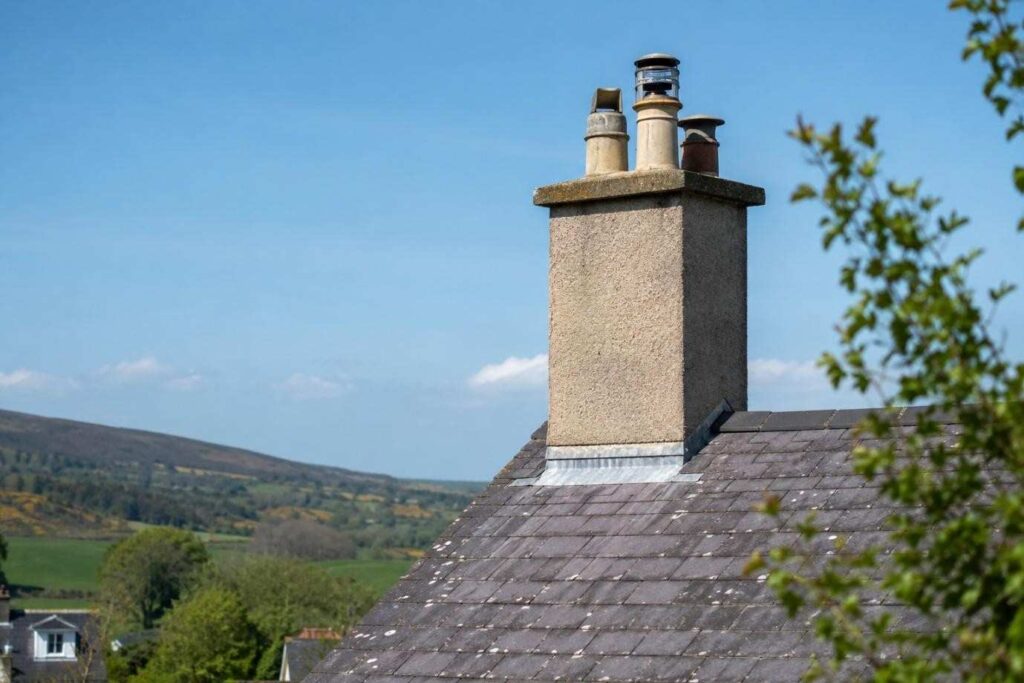
Why Do Chimneys Often Need Attention After an Irish Winter?
By May, many fireplaces across Ireland have gone quiet again. Stoves that were lit every evening through January and February are left untouched for months, with ash still sitting in the grate and soot settling invisibly inside the flue.
It’s usually around this time that signs of winter begin to show elsewhere in the house too. A faint damp patch near the chimney breast. A smoky smell lingering after rain. Small cracks in mortar that weren’t there before.
Irish chimneys take more punishment than most people realise. Atlantic weather, constant moisture, wind-driven rain and long heating seasons all tend to wear away at older brickwork and flue systems gradually rather than dramatically. In many period homes and cottages, that wear can go unnoticed for years.
Summer often becomes the first quiet opportunity to look at things properly.
Why Is Summer Considered a Good Time for Chimney Inspections in Ireland?
There’s something practical about dealing with fireplaces in summer. Roofs are drier. Days are longer. And unlike November, there’s no urgency attached to getting the fire lit again before evening.
Most people only notice chimney problems when they begin using the stove regularly again in autumn. Smoke drifting back into the room, a stubborn downdraft, moisture appearing around the fireplace after heavy rain — these are usually winter discoveries.
By contrast, a summer inspection feels calmer. There’s time to check the condition of the flue, inspect flashing around the roofline, or assess whether an older liner is beginning to deteriorate.
And if work does need doing, there’s less pressure to rush it.
How Can Damp Weather Affect Chimneys and Flues Over Time?
In Ireland, moisture tends to sit at the centre of most chimney problems.
Even well-built chimneys absorb water gradually through porous brickwork and ageing mortar joints. Over repeated winters, particularly in exposed coastal or rural areas, that moisture expands and contracts with temperature changes, slowly weakening the structure.
You’ll often see it first inside the house rather than outside.
A stain near the chimney breast. Peeling paint around the fireplace. A slightly musty smell after prolonged rain.
Inside the flue itself, moisture mixes with soot deposits and acidic residue from burning fuel. Older clay liners can crack. Stainless steel systems may begin corroding if ventilation is poor or servicing has been neglected for too long.
None of this tends to happen suddenly. Chimneys age quietly.
What Does a CCTV Chimney Inspection Actually Reveal?
Most chimney issues aren’t visible from the hearth.
From below, a fireplace can look perfectly functional while the inside of the flue tells a very different story. Hairline fractures, collapsed masonry, nesting debris or worn liners usually remain hidden until performance starts changing noticeably.
A CCTV chimney inspection allows the full internal length of the flue to be examined in detail without invasive work. In older Irish houses especially, this often reveals years of gradual wear that would otherwise go unnoticed.
It’s common to find:
- cracked flue liners
- heavy soot or tar buildup
- moisture damage inside unused chimneys
- small blockages restricting airflow
- signs of historic chimney fires
For anyone planning to use a stove heavily again in winter, these checks can offer reassurance long before temperatures drop.
Why Do Stove Problems Often Appear in Autumn Rather Than Summer?
Fireplaces have a habit of hiding their problems until the first cold evening arrives.
A stove that seemed perfectly fine the previous winter may suddenly struggle to draw properly after months sitting unused. Smoke smells return. Lighting the fire becomes difficult. Rooms fill with haze when the wind changes direction.
Part of this comes down to moisture and airflow. During warmer months, unused flues can become damp internally, particularly in older properties with less ventilation. Birds may nest in chimney pots. Debris settles unnoticed.
By the time people begin lighting fires daily again, those small issues become impossible to ignore.
Summer inspections tend to catch these things while they’re still minor.
How Do Older Irish Homes Benefit From Regular Fireplace Checks?
Older homes usually carry far more chimney history than newer builds.
Victorian terraces, detached country houses and stone cottages often have chimneys that have been altered multiple times over decades — fireplaces closed off, stoves retrofitted, liners added long after the original construction.
In many homes, the chimney system now bears little resemblance to what was originally designed.
That’s partly why regular fireplace servicing matters more in older properties. A flue that worked adequately for an open fire may not suit a modern stove installation. Older mortar joints can weaken slowly behind walls. Chimney pots loosen gradually after years of wind exposure.
Regular inspections simply help keep ahead of those changes before they become expensive structural repairs.
Can Summer Chimney Maintenance Improve Stove Efficiency in Winter?
A clean, properly functioning flue usually makes a noticeable difference once heating season returns.
Stoves tend to burn more cleanly when airflow is consistent and unrestricted. Rooms heat faster. Fires are easier to light. Smoke clears more efficiently through the chimney rather than lingering indoors.
Anyone who has struggled with a sluggish stove during damp weather will recognise the difference immediately.
Even simple maintenance — sweeping the flue, checking ventilation or inspecting a liner — often helps fireplaces perform more reliably through winter, particularly in homes where the stove becomes part of everyday life from October onwards.
Why Do Many People Book Chimney Repairs During Summer?
There’s a practical rhythm to seasonal maintenance in Irish homes.
Roofing work, repointing and chimney repairs simply tend to be easier during drier months when access conditions are safer and schedules are less frantic. By late autumn, chimney specialists are usually dealing with urgent callouts from households trying to solve immediate heating problems.
Summer allows space to plan properly instead.
And for older properties, that can matter. Chimney work often reveals secondary issues — ageing flashing, damaged pots, worn brickwork — that benefit from careful attention rather than rushed winter repairs in poor weather.
How Are People Searching for Trusted Chimney Specialists Today?
More people now research stove installers, chimney sweeps and flue specialists long before winter arrives, often comparing reviews, inspection services and maintenance advice online during quieter months.
There’s been a noticeable shift away from reactive emergency callouts towards preventative checks — particularly among households using stoves regularly through winter or caring for older homes where fireplaces remain an important feature of the house.
Experience and trust tend to matter far more than aggressive advertising in this industry.
Frequently Asked Questions About Summer Chimney Inspections in Ireland
Is summer really the best time to have a chimney inspected?
For most homes, yes. Summer tends to offer better access conditions and more flexibility if repairs or servicing are needed before winter use begins again.
Do unused fireplaces still need inspections?
Usually, yes. Even unused chimneys can develop moisture problems, internal damage or airflow issues over time, particularly in older properties.
Can chimney inspections detect problems with a stove flue liner?
A CCTV flue inspection will often identify cracks, corrosion or blockages inside the liner that wouldn’t otherwise be visible.
How often should chimneys be checked in Ireland?
In homes where stoves or fireplaces are used regularly, annual checks are generally recommended, especially before colder months return.
Are chimney inspections disruptive?
Most inspections are relatively straightforward and can usually be completed with very little disruption inside the house.
What’s the difference between chimney sweeping and a chimney inspection?
Sweeping removes soot and debris. An inspection looks more closely at the condition of the flue, liner, ventilation and overall chimney structure.
Why Does Summer Fireplace Maintenance Feel Easier to Deal With?
Perhaps because fireplaces feel less urgent in summer.
Without the pressure of cold evenings or rising heating bills, there’s time to notice the quieter details around the house — the faint smoke mark above the stove, the damp smell after rain, the slight change in how the fire drew last winter.
By the time autumn returns, most people simply want to light the stove without thinking twice about it.
A summer inspection tends to offer exactly that sort of reassurance.
If you’re unsure how your chimney came through the winter, summer is usually the easiest time to have it checked properly before fires and stoves come back into daily use again. Contact us today.
