Chimney Repairs | Chimney Relining
Call: +353 872805825

Why Is My Chimney Leaking?
A leaking chimney is often caused by cracked masonry, faulty flashing, or a damaged chimney crown. These issues allow water to enter your home.
In Ireland’s wet climate, chimney leaks are a common and frustrating issue. Many homeowners first notice brown stains on ceilings or a damp smell near the fireplace. Leaks can result from several structural problems, including:
What Are the Most Common Causes of Chimney Leaks?
- Cracked bricks or mortar joints allow rain to seep through the chimney structure.
- Damaged flashing where the chimney meets the roof lets water in at weak points.
- A cracked or missing chimney crown enables direct water entry from above.
- Worn chimney pots or flaunching can deteriorate, letting rain penetrate the stack.
Left untreated, chimney leaks can lead to rot, mould, internal plaster damage, and costly chimney rebuilds.
How Can I Find the Source of My Chimney Leak?
Pinpointing the exact source of a chimney leak can be tricky — water doesn’t always show up where it enters. Start with a thorough inspection to identify the true cause.
Chimney leaks are often misdiagnosed because the symptoms appear far from the actual entry point. Water may enter at the roofline but show up as a damp patch several feet away. In other cases, what appears to be a roof leak may actually originate from the chimney stack itself. Before rushing into repairs, you need to understand exactly where the problem lies.
This is why homeowners should never rely solely on surface symptoms. Wet plaster, staining, or odours may help point the way, but only a comprehensive assessment will reveal the root cause. From internal damage in the flue to failed joints on the flashing, multiple elements can play a role.
How Do Professionals Diagnose a Chimney Leak?
A certified chimney technician uses specialised tools and experience to locate the leak source and recommend accurate repairs.
Here’s how professional chimney inspectors identify chimney leaks:
- Perform a CCTV chimney survey to check for internal cracks or obstructions.
- Inspect the flashing and roofline for corrosion, lifting, or gaps.
- Examine the chimney crown and pots for cracks or deterioration.
- Look for signs of moisture damage in the attic or interior walls near the chimney.
This step is vital — attempting a repair without proper diagnosis may waste time and money, or worse, conceal a dangerous fault.
If you’re unsure where the leak is coming from, your next best step is to book a professional chimney inspection.
Call Access Chimneys today to schedule a CCTV chimney survey and expert evaluation. We’ll find the real cause of the leak and provide a reliable, long-term solution that protects your home.
What Are the Most Common Chimney Leak Repairs?
Depending on the leak source, repairs may involve flashing replacement, crown sealing, brick repointing, or waterproof coatings.
Once the source is confirmed, your repair options include:
1. How Do You Repair or Replace Damaged Flashing?
- Remove old, corroded flashing and install a tight-sealing, lead or aluminium replacement.
- Use a chimney-safe roofing cement to seal vulnerable joins and flashing edges.
2. How Do You Seal or Rebuild a Chimney Crown?
- Apply a chimney crown sealant to minor cracks to prevent further water ingress.
- For severe damage, remove and rebuild the concrete or stone cap entirely.
3. How Do You Repoint Cracked Mortar or Bricks?
- Scrape out deteriorated mortar and refill with lime or chimney-grade mortar mix.
- Apply a breathable masonry water repellent to prevent future saturation.
4. How Are Damaged Chimney Pots or Flaunching Repaired?
- Remove broken pots or crumbling flaunching material.
- Re-bed new pots securely with high-strength mortar for stability and waterproofing.
These repairs are best carried out by certified professionals to ensure long-term protection and regulatory compliance.
Can I Stop a Chimney Leak Myself?
Some minor repairs can be DIY-safe, like applying waterproof coatings or sealants — but only after a professional inspection.
DIY fixes might be suitable if the issue is superficial or already diagnosed. Options include:
What DIY Methods Can Help Stop a Chimney Leak?
- Applying a water-repellent coating to the chimney’s exterior bricks helps prevent moisture absorption.
- Sealing flashing joints with chimney-grade sealant can block minor water ingress.
- Cleaning gutters and downpipes ensures water is properly diverted away from the chimney stack.
Important Note: Never attempt chimney repairs on a steep roof or in wet conditions. Always prioritise safety, and use only products designed for chimney and masonry applications.
Is It Normal for Chimneys to Leak in Heavy Rain?
No – while common in Ireland, a chimney that leaks in heavy rain usually indicates poor sealing, flashing failure, or cracks in the structure.
What Causes Chimney Leaks During Heavy Rain?
- Rainwater can pool around loose or degraded flashing.
- Porous bricks without a water-repellent treatment absorb rain.
- Missing chimney caps or open flues allow direct water entry into the chimney.
Installing rain guards, resealing vulnerable points, and regular inspections will keep rainwater out.
How Can I Permanently Seal My Chimney Against Water?
Permanent chimney waterproofing involves sealing every vulnerable point: flashing, crown, brick joints, and flue caps — plus routine maintenance.
What Does a Full Chimney Waterproofing Treatment Include?
- Flashing replacement and resealing with high-grade materials
- Crown restoration or full rebuild if damaged
- Application of breathable, masonry-grade water repellent
- Installation of chimney cowls or rain caps for extra protection
No chimney is ever 100% waterproof forever, but proactive care and proper materials will drastically reduce future problems.
Can I Use Flex Seal on My Chimney?
Flex Seal is not recommended for chimneys — it lacks the heat tolerance and breathability required for safe, long-term repairs.
What Should You Use Instead of Flex Seal?
- Silicone-based chimney sealants that are heat-rated and weather-resistant
- Elastomeric flashing sealants that remain flexible in extreme conditions
- Chimney-specific water repellents that allow bricks to breathe while repelling moisture
Using the wrong sealant can trap moisture inside, causing brick deterioration and reducing the chimney’s lifespan.
Final Thoughts: Stop Chimney Leaks Before They Cause Bigger Problems
If your chimney is leaking, don’t wait. In Ireland’s damp conditions, small problems become expensive ones quickly. A professional chimney inspection is the only way to be sure of what you’re dealing with. From flashing to flaunching, repairs done right will protect your home for years to come.
Contact Access Chimneys for expert diagnostics and lasting chimney leak repairs across Ireland. Your home deserves nothing less than dry, warm peace of mind.
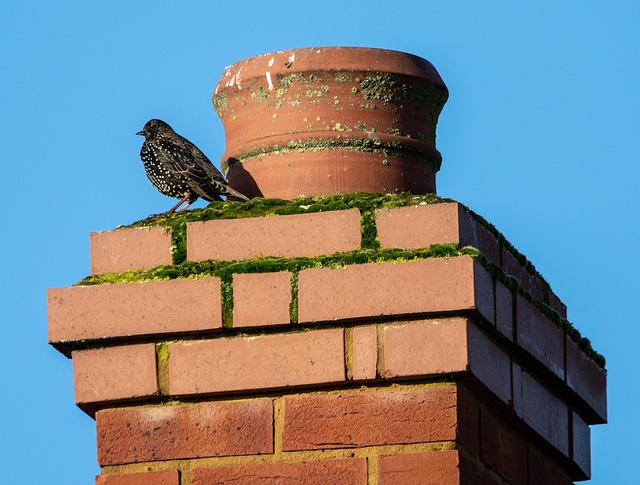
Royalty free Image from PixaBay to support content for the new AI Overview.
